What Is a Christmas Mockup Card—and Why It’s Essential for Designers, Marketers, and Small Businesses
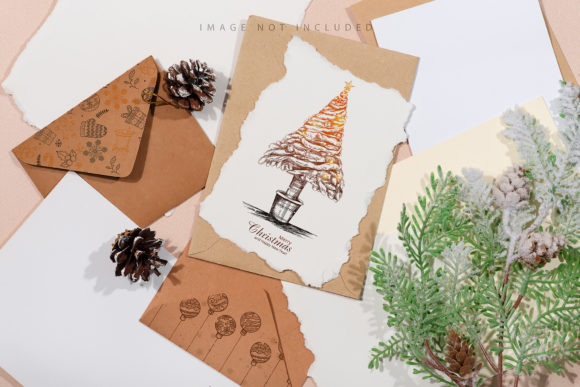
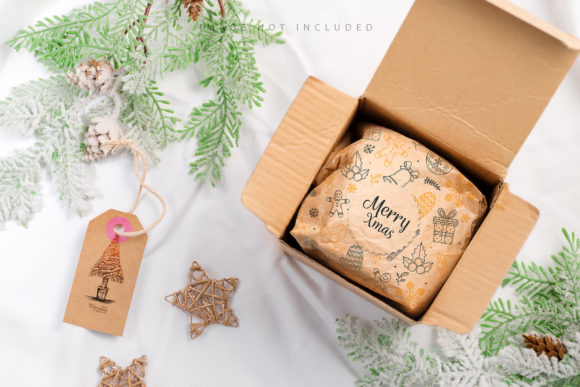
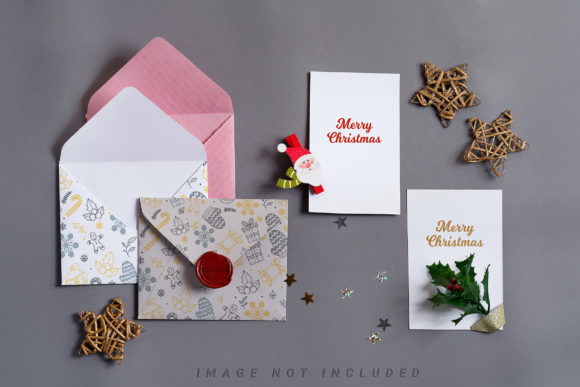
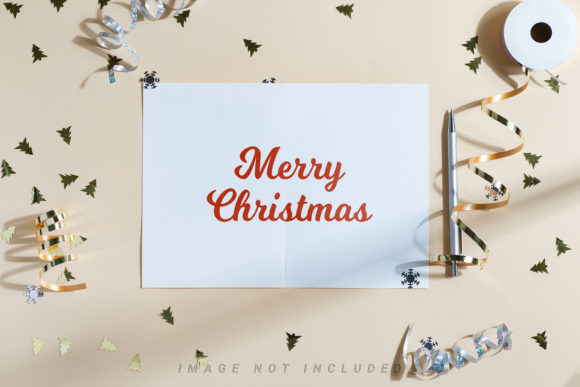
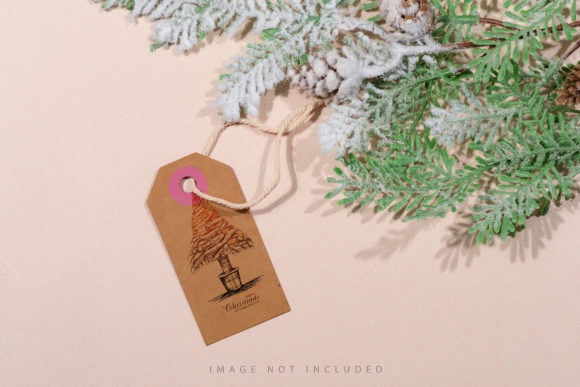
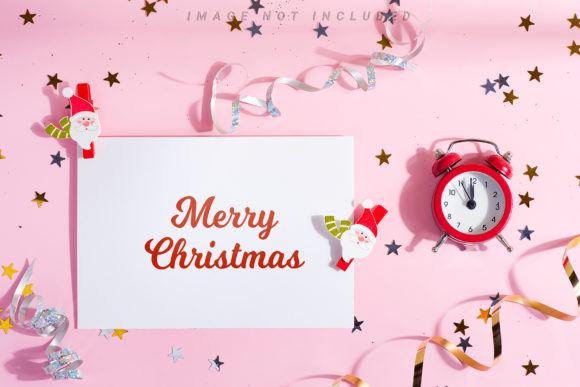
A Christmas mockup card is a digital template that simulates how a physical holiday greeting card will look once printed and held in hand. Unlike flat design files or basic PNGs, mockups incorporate realistic lighting, shadows, textures, folds, and environmental context—like a card resting on a wooden table beside pine branches or nestled inside a velvet-lined gift box. They bridge the gap between concept and reality, transforming abstract designs into tangible, emotionally resonant visuals.
Why Christmas Mockup Cards Matter More Than Ever
In today’s visually saturated digital landscape, first impressions are made in under three seconds. Whether you’re launching an e-commerce store, promoting a boutique print shop, or sharing seasonal greetings with clients, your Christmas card design must communicate warmth, authenticity, and attention to detail—before it’s ever printed. That’s where mockup cards shine.
They serve three core purposes:
- Professional presentation: Clients and stakeholders respond more confidently to designs shown in lifelike settings—not isolated layers on a white background.
- Efficient iteration: Designers can test color schemes, typography, and layout variations instantly by swapping smart-object layers—no need to re-render complex lighting or perspective each time.
- Marketing readiness: Social media posts, email headers, website banners, and online storefronts all benefit from high-fidelity mockups that evoke the sensory experience of the holidays.
How Christmas Mockup Cards Fit Into Real-World Workflows
Consider a small business owner preparing holiday promotions. Instead of sending a plain PDF proof to a local printer—or worse, guessing how gold foil lettering will catch light on matte kraft paper—they drop their logo and message into a premium mockup. Within minutes, they see exactly how the final product will appear: the subtle sheen of metallic ink, the soft crease along the fold, even the gentle curl of the card’s edge.
Similarly, educators teaching graphic design use Christmas mockups as hands-on tools to demonstrate principles like visual hierarchy, color psychology, and print-ready specifications. Students learn not just how to design—but why certain choices resonate during emotionally charged seasons like Christmas.
Debunking Common Misconceptions
Some assume mockup cards are “just fancy filters” or unnecessary extras reserved for big agencies. In truth, they’re foundational assets—especially during peak holiday seasons when speed, clarity, and trust are non-negotiable.
Here are three myths—clarified:
- “Mockups replace real printing.” Not true. Mockups simulate appearance—not material behavior. They don’t substitute for physical proofs when evaluating paper weight, ink bleed, or embossing depth. Think of them as powerful pre-press visualization tools, not final output.
- “Only designers need them.” Incorrect. Freelance copywriters use them to pitch seasonal email campaigns. Etsy sellers embed them in product listings to boost conversion by up to 30% (per Shopify’s 2023 Holiday Retail Report). Even nonprofit teams use mockups to preview donor thank-you cards—enhancing perceived value without added print costs.
- “Free mockups are just as good as paid ones.” Often misleading. While free resources exist, many lack layered PSD files, customizable smart objects, or high-resolution outputs (300 DPI minimum for print). Premium mockups typically include multiple angles (front, back, open, angled), seasonal props (ribbons, holly, snow-dusted surfaces), and commercial licenses—critical for client-facing work.
The Technology Behind the Illusion
Modern Christmas mockup cards rely on advanced techniques rooted in photogrammetry and 3D rendering. Designers photograph real cards under controlled studio lighting, then map those images onto 3D models using software like Adobe Dimension or Blender. The result? A dynamic file where your design layer integrates seamlessly—casting accurate shadows, reflecting ambient light, and responding realistically to perspective shifts.
This isn’t magic—it’s intentional craftsmanship. Each high-quality mockup may take dozens of hours to build, ensuring fidelity across devices and platforms. When you place your design inside a mockup labeled “Linen Texture – Flat Lay on Marble,” you’re not just adding a background—you’re anchoring your brand in tactile credibility.
Practical Tips for Choosing & Using Christmas Mockup Cards
Whether you're new to mockups or refining your workflow, these actionable tips help maximize impact:
- Match resolution to use case: Use 4000×3000px files for website hero banners; 6000×4000px for large-format social ads or printed catalogs.
- Check licensing terms: Look for “extended license” if selling designs (e.g., on Creative Market) or using mockups in client deliverables. Standard licenses often restrict redistribution.
- Layer wisely: Replace only the designated smart object layer—never flatten or rasterize unless instructed. Preserve editable text and vector elements for future updates.
- Go beyond aesthetics: Add subtle motion (via GIF or Lottie) for email previews, or embed interactive hotspots in PDFs for sales decks.
Real Examples That Show Impact
A Portland-based stationery brand increased pre-holiday email CTR by 22% after switching from static JPEGs to animated mockups showing cards sliding open with festive music cues. Their audience didn’t just see a design—they felt the ritual of receiving mail.
Meanwhile, a freelance illustrator used layered Christmas mockups to pitch custom holiday cards to five corporate clients. Each proposal included three variants: minimalist linen, rustic kraft with twine, and luxe pearlized stock—all rendered in identical lighting and setting. Four clients signed contracts within one week.
These aren’t outliers. They reflect a broader shift: consumers and decision-makers increasingly expect emotional coherence across touchpoints. A mockup isn’t decoration—it’s narrative infrastructure.
Looking Ahead: Mockups in an Evolving Creative Ecosystem
As AI-generated imagery advances, some wonder whether mockups will become obsolete. The answer is nuanced: while generative tools can produce convincing holiday scenes, they still struggle with precise, repeatable integration of custom artwork—especially around complex folds, foil effects, or textured substrates. Human-crafted mockups remain the gold standard for reliability, control, and brand consistency.
Emerging trends include:
- AR-enabled mockups: Viewers scan a QR code to see a 3D card rotate in their living room via smartphone camera.
- Sustainable mockup libraries: Collections highlighting eco-friendly papers, soy-based inks, and plastic-free packaging—supporting conscious branding.
- Modular systems: One master mockup file containing interchangeable components (envelopes, stamps, tags, ribbons) for rapid campaign variation.
Ultimately, the Christmas mockup card is far more than a seasonal shortcut. It’s a convergence of empathy, craft, and strategy—a way to honor tradition while speaking fluently in today’s visual language.
Final Thought: Design With Intention, Present With Confidence
Every Christmas card carries meaning—whether it’s gratitude to a long-time customer, joy shared with family, or goodwill extended to a community. A mockup doesn’t change that meaning. But it amplifies it—giving your message presence, polish, and humanity before the first copy rolls off the press.
So whether you’re sketching ideas on napkins or fine-tuning kerning in Illustrator, remember: the right mockup doesn’t hide your process—it reveals your care. And in a world hungry for authenticity, that’s the most valuable gift of all.