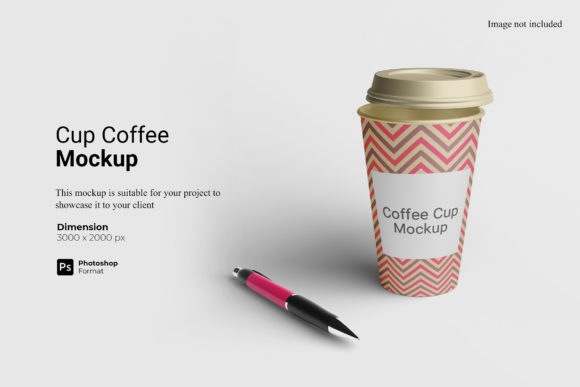
Cup Coffee Mockup: A Practical Tool for Visual Storytelling in Today’s Creative Workflow
Whether you’re launching a new cold brew brand, designing packaging for a local roastery, or showcasing a café’s seasonal menu on Instagram—how your product appears visually matters more than ever. The Cup Coffee Mockup isn’t just another design asset; it’s a bridge between concept and credibility. It lets creators present beverage ideas with realism, context, and polish—without needing a photoshoot, studio lighting, or physical prototypes.
What Exactly Is a Cup Coffee Mockup?
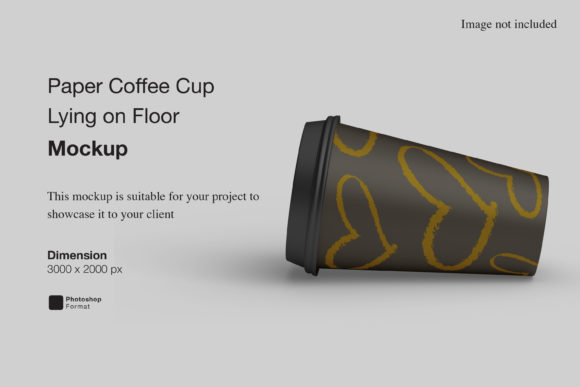
A Cup Coffee Mockup is a high-fidelity digital template—typically in PSD, Sketch, or Figma format—that simulates how coffee-related designs look on real-world objects: ceramic mugs, paper cups with sleeves, reusable tumblers, or even latte art in a clear glass. Designers “place” their artwork—logos, typography, labels, or illustrations—into smart layers, and the mockup automatically applies realistic shadows, textures, perspective, and lighting.
Unlike generic stock images or flat PNGs, these mockups respond to lighting angles, surface materials (matte ceramic vs. glossy stainless steel), and environmental context (e.g., steam rising from a hot cup on a wooden table). That responsiveness makes them especially valuable for professionals who need to communicate intent—not just aesthetics—to clients, stakeholders, or audiences.
Why It Fits Naturally Into Modern Creative Practices
Today’s creative workflows are faster, more distributed, and increasingly remote. A freelance designer in Lisbon might be iterating on branding for a Melbourne-based café, while a small-batch roaster in Portland uses Canva to prep social posts between roasting batches. In both cases, speed and fidelity matter—but so does authenticity.
Consumers scroll past overly polished, sterile visuals. They pause for warmth, texture, and relatable moments: a half-full mug beside a notebook, condensation on a iced-coffee cup, a sleeve printed with hand-drawn type. Cup Coffee Mockup assets support that shift—not by mimicking perfection, but by enabling intentional imperfection: subtle grain, natural light falloff, realistic material behavior. That nuance builds trust before a single bean is brewed.
From Print-First to Context-First Design
Fifteen years ago, packaging mockups were often afterthoughts—used only for final client sign-off. Today, they’re embedded early in the process. Why? Because platforms like Instagram, Pinterest, and even email newsletters demand visual cohesion across touchpoints. A logo doesn’t live in isolation—it lives on a cup, on a tote bag, on a website banner, and in a story highlight.
This context-first mindset means designers now build mockups into mood boards, pitch decks, and brand guidelines—not as decoration, but as functional tools. For example, a food blogger testing a new “morning ritual” series might use a Cup Coffee Mockup to preview how her custom quote (“Brewed with patience”) renders on a matte white mug versus a stoneware tumbler—then choose based on readability, contrast, and emotional resonance.
How Technology Has Made It More Accessible—and More Precise
Early mockups were static, low-res, and rigid. You’d drop in artwork, resize manually, and hope the shadow aligned. Now, layered PSD files support editable lighting, customizable backgrounds, and even animated variants (like steam or pour effects in After Effects templates). Some modern mockups include AI-assisted layer detection—automatically masking logos to follow cup curvature—or responsive sizing that adapts to multiple cup diameters and heights.
That precision matters when scaling. A café chain rolling out new branding across 42 locations needs consistency—not just in color codes, but in how the logo sits on a 12 oz ceramic cup versus a 20 oz travel tumbler. Using the same Cup Coffee Mockup family across formats ensures visual continuity without redundant photo shoots.
Real-World Use Cases Across Roles
- Freelance designers: Present three label concepts on different cup types in under 20 minutes—no retouching, no model releases.
- Educators: Show design students how typography hierarchy changes when viewed at arm’s length on a mug versus up close on a sleeve.
- Small business owners: Test seasonal promotions (e.g., “Pumpkin Spice Mode: ON”) on mockups before committing to print runs—reducing waste and cost.
- Content creators: Build cohesive Reels or TikTok thumbnails using consistent cup styling, reinforcing brand recognition across video and static posts.
- Product developers: Visualize how a new biodegradable cup material might affect print clarity or tactile perception—even before samples arrive.
Not Just for Designers—A Strategic Asset for Decision-Making
Mockups do more than make things look nice. They help teams align faster. When a marketing lead, product manager, and barista all see the same Cup Coffee Mockup of a new loyalty program sticker on a reusable cup, assumptions surface quickly: “Is the QR code large enough to scan mid-rush?” or “Does the green clash with our espresso machine’s finish?” These aren’t aesthetic nitpicks—they’re operational insights grounded in realism.
Similarly, investors reviewing a pitch deck for a sustainable coffee startup respond more confidently to visuals that show not just the idea, but its integration into daily life—a compostable cup mockup placed beside a bike helmet and laptop signals intentionality about lifestyle alignment.
Choosing the Right Cup Coffee Mockup: What Actually Matters
Not all mockups deliver equal value. Look beyond resolution and file format. Ask:
- Layer organization: Are smart objects clearly labeled? Can you toggle steam, shadows, or background elements independently?
- Material accuracy: Does the ceramic texture match real glaze variation—or does it look uniformly smooth?
- Context flexibility: Can you swap the background (wood, marble, concrete) without re-rendering? Does it support subtle rotation or tilt for dynamic layouts?
- Licensing clarity: Is commercial use permitted? Can you use it in client work without attribution?
A well-structured Cup Coffee Mockup saves hours—not just in execution, but in revision cycles. One designer reported cutting client feedback rounds by 60% after switching from flat comps to contextual mockups, because stakeholders grasped spatial relationships and scale immediately.
Where This Fits in Broader Shifts
This trend reflects larger movements: the rise of “show, don’t tell” communication; the demand for sustainability-aware design (mockups reduce physical sampling waste); and the normalization of hybrid workflows where design, marketing, and operations collaborate asynchronously. It also mirrors consumer expectations—people want transparency, authenticity, and evidence of care. A thoughtfully rendered Cup Coffee Mockup signals that attention to detail extends beyond the beverage itself.
It’s worth noting that mockups aren’t replacing photography—they’re complementing it. High-end campaigns still use studio shots. But for rapid iteration, stakeholder alignment, or lean startups, mockups offer a pragmatic middle ground: professional-grade realism without the overhead.
A Realistic Recommendation for Getting Started
If you’re new to using Cup Coffee Mockup assets, begin with one versatile, well-reviewed option—preferably with multiple cup styles (paper, ceramic, tumbler) and clean layer structure. Spend 30 minutes exploring how smart objects behave. Then apply it to a real project: redesign your personal portfolio’s “Work” section using mockups instead of screenshots. Notice how viewers linger longer, ask more specific questions, or reference the context (“I love how that type wraps around the mug handle”). That feedback is your first signal that you’ve moved beyond presentation—and into storytelling.
For teams, consider building a lightweight internal library: a shared folder of approved mockups, usage notes, and export presets. It eliminates version confusion and ensures consistency across departments—from social media to packaging vendors.
Ultimately, the Cup Coffee Mockup endures not because it’s trendy, but because it solves quiet, persistent problems: How do we convey craft without access to craft? How do we test ideas before investing in production? How do we honor the ritual—the warmth, the pause, the human moment—while working digitally? It’s a tool rooted in observation, refined by technology, and made meaningful through use.